


 Caleb Lenard
After establishing the character and public witness of kingdom citizens in the Beatitudes, Jesus addresses a crucial question: How does his teaching relate to God’s revelation, particularly the law, in the Old Testament? In Matthew 5:17–20, Jesus makes it clear that He did not come to destroy or set aside the Scriptures, but to fulfill them.
Fulfillment, Not Abolition
Jesus confronts any misconception that his message dismantles the Old Testament. To “abolish” means to overthrow or set aside as valueless. Instead, Jesus explains that the entire Old Testament—both the Law and the Prophets—had a prophetic and provisional function pointing directly to him.
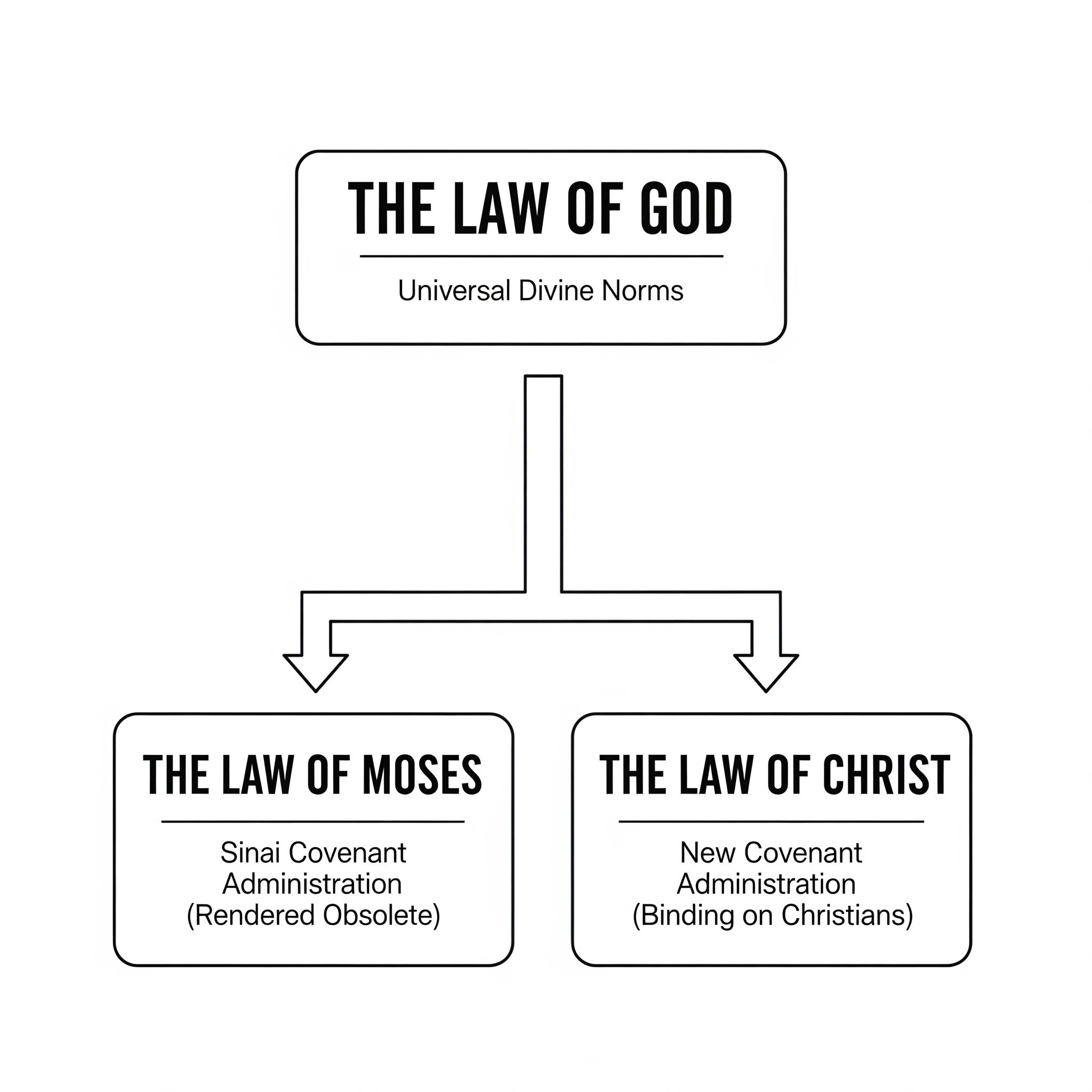
Fulfillment means the law reaches its divinely ordained purpose in Jesus’s life, death, and resurrection. Rather than viewing the law through rigid legalism, believers now understand and apply all of Scripture through the lens of Christ and the new covenant. As the Apostle Paul later clarified, Christians are not under the old covenant legislation of Moses, but are bound to the “law of Christ,” (1 Cor 9:20-21; Gal 6:2) which climactically fulfills and defines God’s moral demands.
Perfection and Permanence
Jesus upholds the absolute authority and total trustworthiness of Scripture:
- 👉Its Perfection: Not the smallest Hebrew letter (iota or “jot”) or the tiny stroke of a pen (tittle) will fail or lose its significance.
- 👉Its Permanence: Every divine purpose prophesied in God’s Word will be accomplished and remain in force until the consummation of the age.
- 👉Its Priority: Personal obedience to God’s commands and how faithfully one teaches them to others matters.
A Surpassing Righteousness
Jesus drops a startling declaration on his hearers: “Unless your righteousness exceeds that of the scribes and Pharisees, you will never enter the kingdom of heaven.” To Jesus’s original audience, the Pharisees represented the pinnacle of religious devotion, meticulously observing 248 positive commands and 365 negative prohibitions. However, Pharisaic righteousness was strictly and largely quantitative and external. Jesus demands a qualitative difference—an internal reality of the heart. This surpassing righteousness is not a ladder of good works used to earn salvation; rather, it is the spiritual fruit that saving grace inevitably produces in a transformed believer.
The righteousness that exceeds that of the Pharisees and scribes can only be found in Jesus Christ, who in perfectly obeying the law on our behalf shares his righteousness with all who believe (Phil 3:9; Rom 4:5, 22-24).
“For our sake he made him to be sin who knew no sin, so that in him we might become the righteousness of God.” – 2 Corinthians 5:21
Coaches’ Application Questions:
- 👉Are you focusing more on your athletes’ external performance, or are you intentionally coaching their internal character and heart motivations as well?
- 👉How can you use your authority as a coach to model a “surpassing righteousness” that honors God in high-stakes competitive moments, not just when things are easy?