

 Caleb Lenard
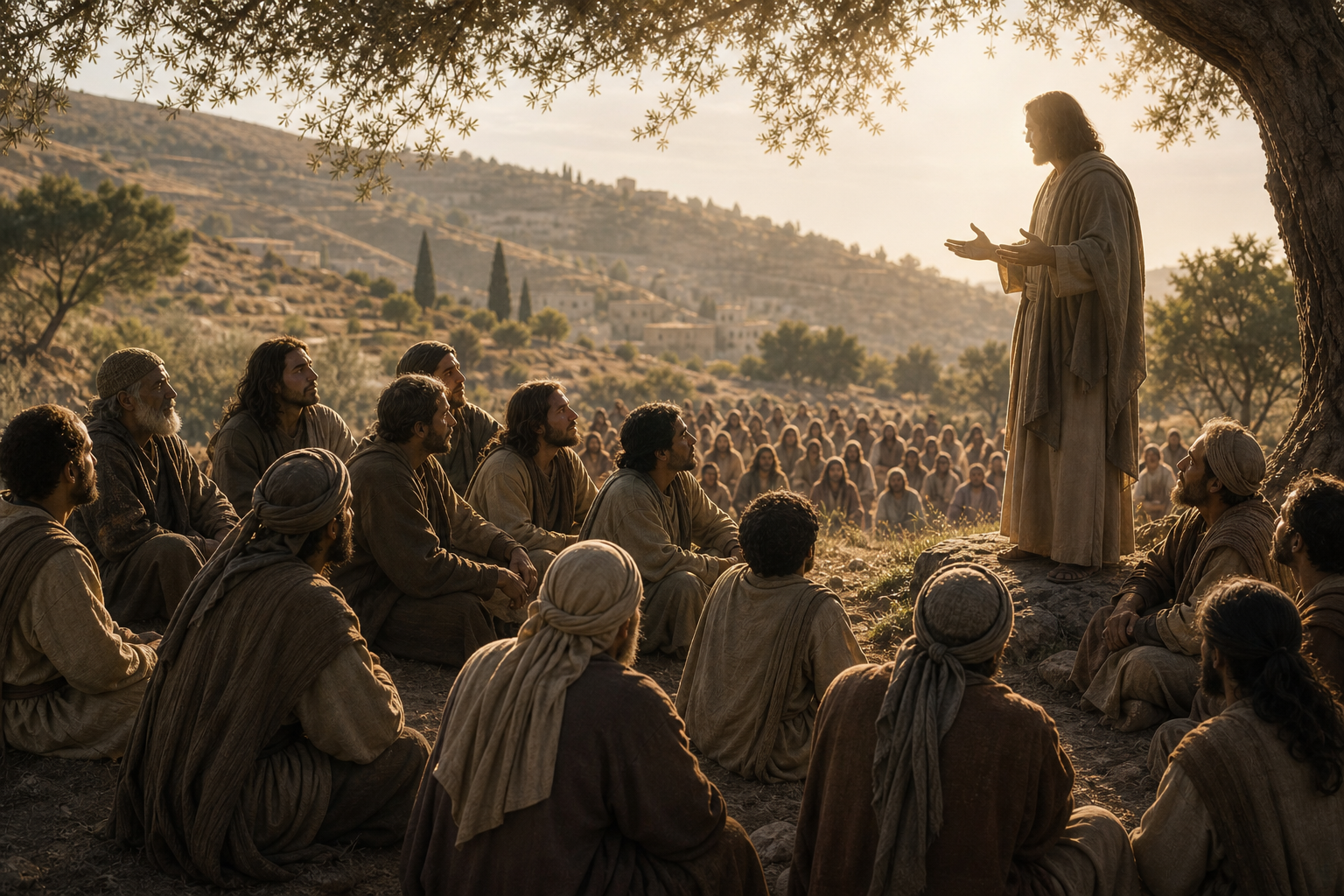
The Sermon on the Mount opens not with a list of moral demands, but with a radical redefinition of human flourishing. In Matthew 5:3–16, Jesus flips worldly wisdom upside down, establishing that kingdom living begins with spiritual bankruptcy rather than self-sufficient pride.
The Inside Job: Emptiness That Fills
Jesus begins with the word ptochos, the Greek term for a destitute beggar who possesses absolutely nothing. This stands in contrast to penichros—a person who works for a living but has little. Ptochos isn’t an endorsement of material poverty or low self-esteem. It is the honest acknowledgment that before God, we do not possess a dime’s worth of spiritual merit. As Charles Spurgeon noted, the way to rise in God’s kingdom is to “sink in ourselves.”
This realization moves us into mourning—grieving specifically over our sin and the pain it causes others and the displeasure it is to God. Yet, Jesus promises that those who grieve over their spiritual poverty will experience divine comfort and gladness. From this sorrow grows true meekness (praus), which is not weakness, but “strength under control,” like a bridled horse. Meekness accepts both God-given strengths and limitations, refusing to play a self-exalting role. When we stop trying to fill ourselves with worldly status, an insatiable hunger and thirst for righteousness takes over. The Holy Spirit creates in us a desperate craving for a right relationship with God that only Jesus can satisfy.
The Outward Overflow: Grace in Action
Once a disciple is emptied of self-sufficiency and filled with God’s righteousness, their disposition toward others changes:
- Mercy: Active pity in action. Rather than exerting our rights, we extend forgiveness and seek reconciliation.
- Purity of Heart: Single-minded devotion where the mind, will, and emotions are enabled to behold God and seek his glory, not our own.
- Peacemaking: Actively extinguishing the flames of strife rather than settling for passive appeasement.
The World’s Reaction and Purpose:
Living out this radical character inevitably triggers pushback. Disciples may face persecution, yet they can rejoice because suffering confirms heavenly allegiance and refines character.
Ultimately, Jesus calls his followers to be salt and light. As salt, Christians act as a moral disinfectant, slowing social decay and bringing spiritual flavor to an insipid world. However, salt is useless inside the salt shaker; it must be “rubbed into” all of life, vocation, business, art, sports, etc. As light, believers reflect Christ’s life by exposing darkness through spoken witness and attractive, noble deeds (kalos). Disciples do not shine to draw applause for themselves, but to compel the world to glorify God.
Coaches’ Application Questions:
- 👉How do you balance coaching for high performance with modeling “poverty of spirit” and meekness—acknowledging your limitations and dependence on God in front of your athletes and fellow coaches?
- 👉In what concrete ways can your sports program act as “salt and light” in your school rather than conforming to toxic sports culture norms of our day?